
Blog Banner
Category : Moving Tips

Category : Moving Tips

How Much Does It Cost To Move A 3 Bedroom House? (Local & Long Distance)

Moving is an equally exciting, stressful, and expensive adventure. This time of transition will pay off, but figuring out the logistics in the meantime can be dizzying. That is especially true when moving with lots of furniture. So, what is the average moving cost for a 3-bedroom house?

It costs between $3,500 and $7,000 or more to move a 3-bedroom house house locally. You can expect to spend between $4,000 and $16,000 to move a 3-bedroom house long distance. Each person on the moving crew typically has a rate between $25 and $130 per hour, and crews consist of at least 2 people.

It’s also customary to tip the crew up to 20% of the value of the move. In that case, you would tip the crew $800 for a $4,000 move, but that’s up to your discretion. Follow along as we dive into the average costs of moving a 3-bedroom house.

How Much Does it Cost to Move a 3-Bedroom House?

On the low end, it costs $3,500 to move a 3-bedroom house. That said, it can cost up to $16,000 or more depending on how much furniture you have, and how far it must travel. Ultimately, the cost varies based on what type of move you require: local or long distance.

Local Moving Cost

You can expect to spend at least $3,500 to move a 3-bedroom house locally. It can cost up to $7,000 or more, but it depends on how much furniture you have. Local moves are cheaper than long-distance moves because of the lower mileage.

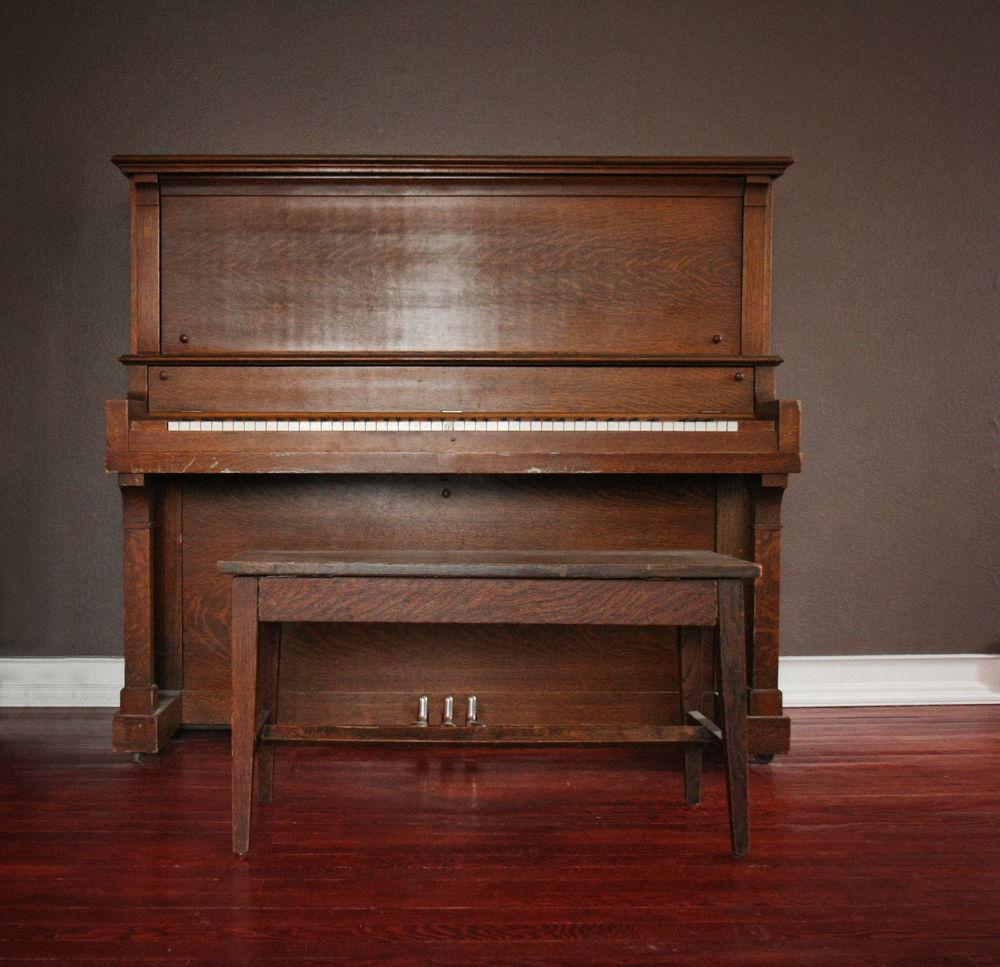
You also don’t have to pay the crew for as many hours as you would for a long-distance move. That said, local moving costs can increase as you add on more services. For example, white-glove service and special item handling, such as a piano, can add hundreds or thousands to the bill.

It’s rare for a local move to cost over $9,500, even for a 3-bedroom house. That price is only likely if you purchase premium insurance and tack on full packing, white glove, and furniture disposal services.

Long-Distance Moving Cost

Long-distance moves cost between $4,000 and $16,000 for a 3-bedroom house. Moving companies sometimes charge flat rates for long-distance moves based on the state you move to. However, it varies between companies, and you may have to pay based on mileage.

Long-distance moves can be pricey because you must pay a crew for more than one day of work in most cases. For example, you must pay a crew for several days of work if they move your belongings from New Jersey to California. This adds thousands of dollars to the overall cost.

Other costs, such as vehicle transportation, are also often necessary for long-distance moves. This can add up to $2,000 per vehicle to the moving cost. Long-distance moves aren’t necessarily always so expensive, and they vary based on weight, distance, time, and the services you choose.

3 Bedroom House Moving Cost Factors

Everything from the time of year to your insurance coverage package affects your 3-bedroom house moving cost. Not every cost factor may apply to you, but it’s important to know your options so you can budget accordingly.

Services

Before the big day, it’s important to figure out which services you require. Simple moving packages without add-ons are the cheapest. However, special packages like White Glove Service, furniture disposal, and full packing can add to the cost.

For example, a full packing service can add hundreds or even over a thousand dollars to your moving cost. It ultimately depends on how much furniture you have and the size of your home. Request a quote for special services before you decide so you can budget for your move.

Weight

Weight is one of the most important cost factors for moving from a 3-bedroom house. Your belongings will all wind up on a truck, so the crew needs to know the weight. Not only will the weight affect the haul, but it also affects the moving crew.

The weight of the haul also affects the truck you require. For example, a small truckload of belongings means that they may use the truck for someone else’s move as well. This means you won’t have a dedicated truck, but it can save hundreds or even thousands of dollars.

However, a truck dedicated to your belongings can cost over $10,000 when moving from a 3-bedroom house. This is often necessary for 3-bedroom houses because of the weight and volume of furniture.

Distance

How far is your new house from your old 3-bedroom house? Mileage is an important factor that moving companies use to determine the overall cost. For local moves, you can expect to pay at least 75 cents per mile, but it varies.

You must also pay for gas, and that cost goes hand in hand with distance. Gas prices vary between states, but you can expect to spend at least $3.20 per gallon. Depending on how far the move is, you may not be responsible for paying them to fill the tank.

Timing

It takes much longer to move from a 3-bedroom house than a studio apartment. The extra square footage takes longer to navigate, and it typically means there’s more furniture. In most cases, each person on the moving crew gets paid an hourly rate between $25 and $130.  

Depending on how long the move takes, this can add up fast. Most moves require at least 2-3 people, especially for a 3-bedroom house. If the move takes a 3-person crew 4 hours, you can expect to pay a minimum of $300.

That said, the labor fees could exceed $1,200 for a 3-bedroom house. It depends on the minimum rate, the size of the crew, how long it takes, and how much you tip them.

Vehicle Transportation

Depending on where you move to, you may need help with vehicle transportation. This is often necessary for long-distance moves across several states, or even across the country. Some moving companies can transport your vehicles for you.

Others simply have relationships with vehicle transportation companies and can arrange it for you. It costs an average of $1,600 to ship a car, but it varies by distance. Expedited car shipments cost at least $2,000 in most cases.

That said, the cost varies by distance, demand, and even season. It’s typically cheaper to ship your car in fall and winter when the demand isn’t as high. The demand is higher in spring and summer when most people move.

Insurance

Moving insurance is essential for any move, but some people forego it. Skipping out on insurance is a mistake as the cost is well worth it in case your belongings get damaged. Moving companies typically offer two insurance options: release value and full value.

Release value insurance is the cheapest option, and some moving services include it with the cost of the move. However, this doesn’t provide much coverage as it only typically covers $1 per pound per damaged item. This is better than nothing, but it’s not enough for many people who move with valuable items.

Full-value insurance coverage is pricier, but it’s the best option if you want to protect your belongings. Prices vary between companies, but you can expect to pay up to 5% of the total value of your belongings for full-value coverage. They assess the cost when they take inventory of your belongings and quote you. With this option, the moving company will reimburse you for damaged items, or simply replace them.

Tips

Tipping the crew is a relatively small moving cost, but it’s one of the most important. Movers work tirelessly to protect your belongings and safely transport them to your new house. Moving from a 3-bedroom house typically entails lots of hard work, so tipping is customary.

People often tip the moving crew 15% to 20% of the moving cost. You can split this cost up evenly amongst the moving crew, or tip each member individually. For example, if your move costs $5,000, you would tip the crew up to $1,000.

If the crew is made up of 4 members, you would tip them each $250. You aren’t required to tip any specific amount, but 15% to 20% is the standard. Granted, you must use your judgment to determine how much the crew deserves. They may deserve a 25% tip if they go above and beyond, or just 10% if they leave something to be desired.

How to Prepare to Move a 3-Bedroom House

Preparing to move from a 3-bedroom house can be quite intimidating. However, it doesn’t need to be hard, especially if you make a thorough checklist. Ideally, you should create the checklist at least 2-3 months before you move so you can get started early.

Organize Your Belongings

First things first, it’s important to organize your belongings. Go through your clothes, furniture, decorations, and collectibles to see what is essential. Separate your belongings into several categories.

For example, you can sort through your closet and create a pile of clothes that you plan to donate to Goodwill. Next, see if you have any clothes that you can pass on to a friend or family member. Bring whatever is left with you to the new house.

It’s also a good idea to get rid of any furniture that simply wouldn’t be a good fit for your new house. Moving companies will charge a small fee to remove your old furniture for you and dispose of it. Otherwise, you can simply donate the old furniture.

Take Inventory

Once you’ve organized, it’s time to take inventory of what’s left. Visualize your belongings in boxes and on a truck. You can pay the moving company for a full-packing service where they pack everything for you.

However, it’s still a good idea to organize everything so they get the job done quicker. This will only serve to save you money since the move may not take as long if everything is organized. It’s also a good idea to organize everything to make the consultation go by easier. The moving company will send a consultant, and it’ll be easier for them to provide a quote if they can easily see everything.

Call a Moving Company

Once you are organized and ready, simply call a moving company. A consultant will come out and figure out what kind of services you require. Make sure to communicate well and express your needs so you get the best package possible.

This is the most important step because it will help you budget for the move. Call the company at least 2 months before the move. That way, you can set a moving date and pack or make arrangements for your new home as needed.

So, How Much Does Moving a 3-Bedroom House Cost?

It costs between $3,500 and $16,000 to move a 3-bedroom house. Local moves typically cost $3,500 to $7,000 or more for a 3-bedroom house. Long-distance moves are pricier and cost between $4,000 and $16,000. Keep in mind that most people set aside extra cash to tip up to 20% of the value of the move for the crew.

Read More

Transporting a Flat Screen TV (Everything You Need To Know)

Moving comes along with lots of responsibilities, and protecting your prized possessions is the biggest one. It may be easy to pack up tables, chairs, and your wardrobe, but moving a flat-screen TV comes with more uncertainty. Luckily, there are several simple tips to transport a flat-screen TV that make it easy.

First, you must remove the screws and cords from your TV and put them in a safe place, so you don’t lose them. Next, you must pad a box with foam and double-wrap your flat-screen TV with bubble wrap to protect the screen. Don’t lay your flat-screen TV down as it can damage the screen. Simply keep it upright and tape the box shut.

You can lay a flat-screen TV down, but the pressure will shift to the center, and that’s risky. Follow along as we highlight the best tips to transport a flat-screen TV to avoid damage.

How to Pack a Flat-Screen TV

It’s not as hard as it seems to transport a flat-screen TV if you follow a few simple tips. Your biggest priority should be to protect the screen and make sure the TV doesn’t move around. Let’s look at what you can do to protect your flat-screen TV when you transport it.

Keep the Cords in One Place

Before you do anything else, it’s a great idea to organize your TV’s cords. It’s all too easy to lose or damage cords when you transport a flat-screen TV, and they can be expensive to replace. Remove and wrap each cord one at a time.

Don’t put the cords in a pile near each other as they will most likely become tangled. If you’re worried about knots, simply zip-tie each cord separately. You can even secure the cords with yarn or twine if you don’t want to put too much pressure on them.

Take pictures of the cords when they’re plugged in if you’re worried you’ll forget where they belong. Otherwise, you can label each cord with a sticky note or piece of tape, so you don’t have to troubleshoot later.

Remove the Hardware

Next, it’s time to remove the hardware that came with your TV. Most flat-screen TVs come with mounting hardware that consists of small screws that are easy to lose. Because of that, it’s a great idea to keep a plastic bag handy.

Place each screw in the bag as you remove them, so you don’t lose them. When you’re done, seal the bag and even label it if you want to be extra cautious. You’ll need the screws later when it’s time to set your TV back up.

Protect the Screen

The biggest concern for many people is that they’ll damage the screen when they transport their flat-screen TV. That’s an understandable concern as screens are more susceptible to scratches and cracks than you may know. Luckily, it’s easy to protect the screen from scratches and cracks with something as simple as bubble wrap.

Simply wrap the TV with bubble wrap and pull it tight. Add a second layer of bubble wrap at least over the side with the screen. Secure the bubble wrap in place with packing tape so no parts of the screen are exposed.

It helps if you keep the dust cover your flat-screen TV came with. In that case, you can put the dust cover on the screen first and then use bubble wrap to fortify it.

Prepare the Box

Did you keep the box your flat-screen TV came with? Keeping the box makes it much easier to transport a flat-screen TV. The boxes that come with flat-screen TVs typically include foam and padding for protection.

Luckily, it’s easy to find boxes for flat-screen TVs online that should fit your model if you don’t keep the box. That said, you may have to buy foam, bubble wrap, and padding separately to protect the TV. Line the bottom and top of the box with foam and or bubble wrap.

This will ensure that the TV doesn’t slide around in the box, and that’s the biggest concern when transporting flat-screen TVs. If you don’t have foam and bubble wrap, you can use towels, blankets, and pillows to protect the TV. Simply pack the towels, blankets, or pillows along either side of the TV.

Slide the TV in Place

Once you’ve padded the box well enough, it’s time to slide the TV into it. It helps to have someone help you with this step. That way, you can keep the box and padding intact, so your flat-screen TV is well-protected. Make sure to seal the box with packing tape so the TV doesn’t slide out as you move it.

Can You Lay a Flat Screen TV Down?

While you can lay a flat-screen TV down, it’s not a great idea. It’s particularly harmful to lay a flat-screen TV face down as the screen is susceptible to damage. If you must lay your flat-screen TV down, make sure to put it face up so there isn’t too much pressure on the screen.

The glass plates and LCD crystals within flat-screen TVs are somewhat delicate. When a flat-screen TV is laid face down, weight will shift from the perimeter to the center of the screen. This can cause excessive pressure, and the screen is more likely to crack.

Ideally, the best way to transport a flat-screen TV is to pack it upright like how you would typically mount it. Depending on your transportation method, this may not be possible, so you must lay it on its back. If so, avoid putting anything on the box or around it that could fall and damage the screen.

So, What’s the Best Way to Transport a Flat Screen TV?

The best way to transport a flat-screen TV is to put it in a box with bubble wrap and foam padding. Pack the box tightly on either side so the TV won’t slide. Secure the box with packing tape and transport the TV in the upright position. Laying a flat-screen TV down can cause cracks and damage the screen.

Read More

The Ultimate Moving Out of State Checklist

Moving out of state is an exciting, albeit intimidating commitment. The prospect of leaving your old life behind can be scary. However, you can ease your mind if you prepare for the journey with a checklist to make the journey easy.

Your moving out-of-state checklist should include researching the area and comparing the cost of living to your current home. Create a budget based on the cost of the moving service as well as transportation and utility fees. Reach out to a moving company 2-3 months before moving and set up an emergency fund of up to 3 months’ salary.

The earlier you start researching, the sooner you’ll be able to buy a new house and find a new job. Follow along as we highlight the best steps to get ready for your out-of-state move.

How Do I Prepare to Move to Another State?

The best way to prepare to move to another state is to create an extensive checklist. Everything from researching the cost of living and setting up utilities to decluttering can save you time and money.

1. Compare the Cost of Living

The difference in the cost of living between states can sometimes be astronomical. Researching the cost of living in your new state can eliminate the risk of expensive surprises. Look online for cost statistics in the state you plan to move to.

This includes income taxes, property taxes, gas prices, and the cost of groceries. Compare it with your current expenses and adjust your spending habits accordingly.

2. Research the Area

It’ll take a while to adjust to your out-of-state move unless you research the area. Look up local stores, restaurants, parks, and even medical centers. This can also help determine the house you choose based on how close it is to local amenities.

It’s also important to look up crime stats to make sure you move to a safe area.

3. Create a Moving Budget

Moving out of state can be expensive, so budgeting should be one of your biggest priorities. Base your budget on expenses such as car shipping, plane tickets (if necessary), and moving company costs. Moving out of state can cost up to $12,000 or even more depending on where you move.

That said, it could cost as little as $4,000 to move short distances. Figure out the fees for setting up utilities in the state you’re moving to. Do whatever you can to save money, such as driving long-distance instead of shipping your car if need be.

4. Find a New Home

Finding a new home is half the battle when moving out of state. Unless you visit the state, you’ll have to rely on a realtor and online resources. That’s why it’s a great idea to visit the state before moving to visit houses on the market. This will help you picture yourself in the house and get an idea of the area.

5. Search for Jobs

Unless you’re moving out of a state for a specific job, you’ll need to search for new places to work. It can take a while to find a job, so you should submit applications daily for a few months. Create a thorough resume and send it to many places within a reasonable distance of your new home.

6. Research Schools

Moving out of state as a family involves more responsibilities. The biggest hurdle is making sure you get your gets into a good school. Research schools in the area and fill out an admission application to a few schools if need be. Contact your child’s old school to get their transcripts to send out.

7. Set Up an Emergency Fund

While your moving budget should cover your expenses, it’s essential to set up an emergency fund. Moving is expensive, and you never know when incidentals pop up. For example, you may have to wait a few weeks or even months before starting your new job. Because of that, it’s a great idea to set aside up to 3 months salary.

8. Contact a Moving Company

Once you’ve budgeted for the move, it’s time to contact a moving company. Ideally, you should reach out at least 2-3 months to make sure you get a great moving date. Explain your budget and pick services that make the move easier without going over budget.

9. Declutter Your Home

Moving gives you the chance to get rid of clutter. Donate or throw away old clothes and furniture that you don’t use anymore. You can also sell furniture, collectibles, and antiques to set aside some extra cash for the move.

10. Start Packing

Packing is only stressful if you wait until the last minute. You can avoid the stress if you slowly start to pack within 2-3 months of moving. Create a checklist and start by packing items you won’t need to use in the months leading up to the move.

For example, you can pack your trinkets, special dishes, and seasonal clothes you don’t currently wear. Slowly pack more and more essentials as the move approaches. Disassemble and pack furniture 1-2 weeks before the move.

11. Notify Your Utility Service Providers

The last thing you want to do is pay for two sets of utilities when moving. That’s why you must contact your utility providers before moving to cancel or transfer service. You’ll need to cancel your electricity, gas, and water as the new state will have different providers.

Ideally, you should set it up so that the utilities will lapse right after moving out. In some cases, this isn’t possible if your house stays on the market after moving. As far as Wi-Fi goes, you may be able to simply update your address. Even still, you’ll likely need to upgrade to a new router when you move so it works in the new service area.

12. Schedule Vehicle Transportation

Unless you’re driving to your new home, you must likely schedule vehicle transportation. Some moving companies can help set this up for you. If not, simply research local vehicle transportation services at least 1-2 months in advance.

It’s important to set up vehicle transportation early as these services typically have stops in several states. Because of that, they typically provide wide time windows for when your car will arrive.

Explain your timeframe and request that your car arrive within a week or two of your move-in date. This may mean that you must ship your car a week or more before moving.

13. Set Up Your New Utilities

By now, you should have updated and or canceled your utilities at your previous home. Once that’s done, it’s time to set up utilities at your new home. You may not be able to transfer some utilities, such as electric service, to your new home.

Many electricity providers only operate in one or two states. Wait until a few weeks before your move to set up new utilities. You can also wait to do this until a few days before the move, but that’s risky. Ultimately, you don’t want to set up water and power too soon before your move.

In that case, you’d be paying for services you aren’t using yet. That said, the last thing you want is to move into a pitch-black house or be unable to take a shower after unpacking and moving boxes all day.

14. Clean Your Old Home

It’s important to clean your old home after packing up and loading the truck. This is the only way to get your deposit back as a renter. As a homeowner, cleaning the house will also work wonders to ensure you don’t scare off potential buyers.

Ideally, you should start cleaning in the month leading up to the move. However, you’ll likely need to tidy up again once your house is empty as moving can be messy. Once the trucks are packed and your house is clean, it’s time to head to your new home out of state.

15. Update Your Address

While it’s important to update your address for subscriptions and utilities, that won’t cover everything. You must update your address through the USPS as well to ensure mail and packages get rerouted to your new home. Luckily, this is easy, and you can change your address online or at the local post office.

It’s also important to update your address if you have pets that are chipped. That way, your pets can be more easily returned to you in case they go missing. Simply go through the animal registry you originally registered your pets to and change the address.

Moving Out of State Doesn’t Have to Be Hard

Research the area and reach out to local realtors before moving out of state. Compare the cost of living and set aside up to 3 months’ salary to cover moving expenses and incidentals. Cancel your utilities or transfer any of them, such as Wi-Fi, to your new home. Change your address through the USPS so there is no delay in receiving mail and packages.

Read More

How Much Do Piano Movers Cost? (2024 Data)

When it comes time to move, many people understandably worry about their pianos. Unlike guitars and drum sets, the average person can’t simply move a piano without professional help. So, how much do piano movers cost?

It costs an average of $450 to move a piano, but it can cost $2,000 or more for long-distance moves. You may pay as little as $150 to move a small piano a short distance without obstacles like narrow halls and staircases. Piano movers often charge between $1.25 and $10 per mile depending on the distance and cost of gas in the area.

Additional charges include up to $100 per staircase. In some cases, the piano movers may need to use a crane to hoist your piano. In that case, you’ll almost certainly pay between $1,000 and $2,000. Let’s take a deep dive into the cost factors that determine how much you’ll spend on moving a piano.  

How Much Does Moving a Piano Cost?

It costs an average of $450 to move a piano, but it varies by type, location, labor fees, and how challenging it is. Piano movers often charge a flat rate, but they may charge you for labor per hour. The lighter the piano is and the easier it is to move, the cheaper it will cost. Let’s look at the main factors that affect how much piano movers cost.

Difficulty

Obstacles that make it harder to move a piano, such as staircases, add to the overall cost. This is understandable as pianos way between 300 and 1,200 pounds. Piano movers charge an average of $70 per staircase. On the low end, you can expect to pay $40 per staircase, or $110 on the high end.

However, some piano movers charge per step. In that case, it typically costs up to $10 per step. You must also pay extra the movers use a crane to move the piano. This is only necessary if the piano is located several stories up, and it may need to be moved out through a window.

In that case, you can expect to pay up to $2,000 or more to move the piano. Hoisting a piano is a tricky and time-intensive process. It costs $750 on the low end, but it may be necessary if it would be too risky to move it down a staircase.

Mileage

Distance is another critical factor in how much piano movers cost, and that’s because they charge mileage. In some cases, piano movers simply charge flat rates for local moves. That said, you can expect to spend up to $10 per mile for long-distance moves.

Depending on the service, distance, and piano size, you may only pay as little as $1.25- $2.50 per mile. The cost also varies based on gas prices in the service area.

Labor

Labor is typically built into the cost that piano movers charge. Piano movers typically charge flat rates that factor in at least 2-3 hours of labor for local moves. This includes the preparation and movement of the piano before additional costs, such as mileage.

The average hourly rate for piano movers is $50 per person, but it varies. It’s important to ask whether you’re paying an hourly or flat rate when you request a quote.

Flat labor rates are often based on the size, weight, and type of piano. For example, you’ll pay a smaller flat labor rate to move a spinet than a grand piano in most cases.

Cost to Move a Piano By Type

There are four main types of pianos: grands, baby grands, upright, and spinets. They each vary in size, weight, and how difficult they are to move. Let’s explore how the type of piano you have affects how much it will cost to move.

Grand

It costs between $300 and $2,000 to move a grand piano. That said, you can only expect to spend $300 on local, short-distance moves. Moving a grand piano can be quite expensive because of how big they are, which makes it difficult to move them.

Grand pianos way up to 1,200 pounds, or 500 pounds on the low end. Because of that, piano movers will typically charge more to move them down staircases. It’s also often necessary to hoist grand pianos with a crane, and that can add hundreds of dollars to the cost.

Baby Grand

While baby grand pianos aren’t as big as grand pianos, they still weigh up to 600 pounds. Because of that, it typically requires a crew of at least 3 people to move a baby grand piano. It costs as little as $250 to move a baby grand locally, but long-distance moves cost $1,200-$2,000.

Upright

On the low end, upright pianos weigh 300 pounds, but they can weigh up to 800 pounds. The cost to move upright pianos varies by weight and distance, and it costs between $150 and $1,200. Factors such as distance, gas prices, and staircases can add hundreds of dollars to the cost.

Spinet

The cheapest piano to move is a spinet. Not only are they small and compact, but they’re also light and easy to move. Piano movers charge an average of $200 to move spinet pianos locally. A type of upright piano, spinets are significantly cheaper to move than most pianos.

You don’t have to worry about exorbitant additional costs, such as hoisting, with spinet pianos in most cases. However, you must still pay up to $100 per staircase depending on the piano movers. It costs between $600 and $2,000 to move a spinet piano long-distance.

So, How Much Do Piano Movers Charge?

Piano movers typically charge between $150 and $2,000. The average cost to move a piano is $450, but it varies by type, weight, and distance. Additional costs include up to $100 per staircase and $1.25-$10 per mile. Upright pianos and spinets are the lightest and cheapest to move, while grand pianos are the priciest.

Read More

How To Calculate How Many Movers You Need

Hiring a moving company is the first step to alleviating the many stresses of moving. However, figuring out how many movers you need for the job is easier said than done. So, how many movers do I need?

You only need 2 movers for a studio apartment, and 2-3 movers for a 2-3-bedroom home. Homes with 3-5 or more bedrooms require 3-6 movers depending on how much furniture you have. Bigger moving crews are necessary if you have large furniture that needs to be disassembled. Obstacles like tight halls and steep staircases also typically require more movers.

For example, 2 movers may be enough for a 3-bedroom home that is one level. However, 3 movers are optimal for 2-story, 3-bedroom homes with steep stairs and lots of furniture. Follow along as we explore the factors that determine how many movers you need.

How Many People Do You Need to Move?

Most people need between 2 and 6 movers. That said, it varies based on your time frame and how much furniture you have. For example, 2 movers are typically enough for a studio or 1-2 bedroom. Studios and 1-2-bedroom apartments typically take 2-5 hours to move.

However, let’s say you can only afford the movers for one hour. In that case, you may want to add a third mover to ensure the process goes faster. The same applies to 3-bedroom apartments and big houses with several rooms and lots of furniture.

That said, you will need up to 6 movers when you move from a house with 4 or more bedrooms. The extra furniture and typically bigger floorplan means that the move can take up to 6-10 hours between loading and unloading.

Number of BedroomsMovers Required
Studio2
1-22
2-32-3
3-43
4-54
5+4-6

How to Determine How Many Movers You Need

Everything from accessibility and amount of furniture to budget affects how many movers you need. The consultation process is necessary to figure out how many movers you need. However, several factors can give you a great idea of what’s required for the big moving day.

Amount of Furniture

How much furniture you have is the biggest factor in how many movers you need. For example, studio apartments and 1-2-bedroom homes don’t have as much furniture as 3-4 bedroom ranches. That’s why you typically need 2 movers for a small apartment and up to 4 movers for a 4-bedroom ranch.

Granted, not every homeowner with a 3-4 bedroom house has lots of furniture. The consultation process will tell you how many movers you need based on how much furniture you have. That said, you can typically expect to need one mover per bedroom once you get past 2-3-bedroom homes.

Budget

How many movers you hire for your moving team likely has a lot to do with your budget. However, some people mistakenly think that hiring fewer movers will make the job cheaper. On the contrary, small moving teams typically take longer to pack, load, and unload your belongings.

Because of that, you may have to pay more than you would if you simply added another person or two to the team. A large moving team is unnecessary for a studio or 1-2-bedroom apartment, but having more hands on deck is essential for big homes.

Accessibility

How difficult it is to navigate your house affects how many movers you need. For example, narrow halls and steep staircases can make moving quite challenging. While 2 movers may be enough for a 3-bedroom apartment, a 3-bedroom home with poor accessibility could benefit from an extra mover.

This is a safety concern in many ways. A spotter is typically necessary when moving large furniture items down a flight of stairs. That’s not possible if you only have 2 or 3 movers and they’re all carrying furniture.

Large & Fragile Items

Does your home have lots of large items that must be taken apart? If so, this will affect how many movers you need. For example, a 3-4 bedroom home without much furniture may only need 3 movers.

However, a 4th mover is typically necessary if your home has lots of furniture that is hard to take apart. For example, multiple beds, large dining room tables, cabinets, and sectional couches take time to disassemble. In that case, you may want to be cautious and add an extra mover.

Moving company consultants carefully inspect your furniture and belongings to see how many movers are necessary. They may also recommend extra movers if you have many fragile items. For example, large antiques, glass art, and even pianos require extra movers in most cases. When in doubt, ask the consultant what they recommend for the fastest and safest move.

Is It Better to Have 2 or 3 Movers?

It’s better to have 3 movers than 2 unless you’re moving out of a studio apartment. Hiring more movers means it will take less time and go much more smoothly. Sure, you must pay an extra mover.

However, it’s typically worth it to pay an extra mover than pay a smaller moving team for more hours. This is especially true if your home has lots of big furniture that needs to be taken apart before it can be loaded onto the truck. It also helps to hire an extra mover if you pay for a full packing service.

In that case, the moving crew will pack for you, and this can be time-consuming. Adding an extra set of hands will speed up the process. This also means that you’ll have an extra person to start loading boxes as they’re done being packed. More movers means it will be done faster, and you’ll get more bang for your buck.

So, How Many Movers Do You Need?

You need between 2 and 6 movers in most cases. Studios and 1-3-bedroom apartments only require 2-3 movers in most cases.

However, any home with 3 or more bedrooms typically requires 3-6 movers depending on how difficult it is and how much furniture you have. It’s typically worth it to hire a bigger moving team than a small team because it will take less time and possibly save money.

Read More

How Much Do NYC Movers Cost? (Local & Long Distance)

To say that NYC is vibrant, chaotic, and unlike any other city would be an understatement. Moving within the Big Apple can be crazy because of the infrastructure, population, and tricky streets. It can also be expensive in many cases. So, how much do movers cost in NYC?

Movers in NYC charge an average of $1,200, but short-distance moves cost as little as $400-$500. Long-distance NYC moves cost up to $7,000 when you move to a different state. Moving from a studio apartment in NYC costs $400-$600, whereas a 3-bedroom apartment costs an average of $1,950 on the low end.

How many bedrooms, how much furniture, and how far the movers must travel affect the cost of the move. Follow along as we explore how much movers cost in NYC so you can budget for your big move.

Average Cost to Move in NYC?

It costs an average of $1,200 to move within NYC. Movers in NYC charge an average of $85 per hour. The total cost depends on how long the move takes and how many movers are on the team. Other factors, such as the services you choose, also affect the cost.

For example, special packages, like White Glove Service, can add hundreds of dollars to the cost. On the low end, your NYC move may cost as little as $400-$500. That said, your NYC move can exceed $5,000-$6,000 depending on how many bedrooms are in your house or apartment as well as the distance. 

NYC Movers Cost

NYC Movers Cost Factors

Whether it be the number of rooms or the movers’ labor rates, several factors affect the cost of moving within NYC. The location is another important factor, whether you’re moving within the city itself or one of the boroughs. Let’s look at the factors that affect the cost of NYC movers.

Number of Bedrooms

How many bedrooms your home has is the most important cost factor when it comes to NYC movers. The more bedrooms you have, the more furniture you have. That means the move will take longer in most cases and may require more movers.

BedroomsAverage Cost
Studio$600
1$850
2$1,150
3$1,950
4$3,100
5+$5,000+

Studio apartments are the cheapest, and movers charge an average of $600 before add-on costs. On the high end, moving from a studio apartment in NYC costs $750. However, it can cost as little as $400-$500 if you don’t have much furniture or are moving a short distance.

Moving out of a 1-2-bedroom apartment in NYC rarely costs more than $1,150 unless you’re moving far or request additional services. NYC movers become expensive when you get into 3-4 bedroom homes. That can cost anywhere between $1,600 and $4,500 or more on the low end. Homes with 5 or more bedrooms are the most expensive and moving may cost $5,000 or more.

Special Services

Most movers offer additional services that come with extra costs. This includes everything from packing and unpacking to moving insurance. Full packing is one of the most popular moving services, and it adds roughly $300-$1,500 to the cost.

This is a popular service because the movers pack and unpack for you which saves you plenty of time. However, this service also adds to how long the move takes, and that’s part of why it’s more expensive.

Another popular service is dismounting and re-mounting TVs. This adds an average of $240 to the cost, but it can cost as little as $110. Furniture disposal is a common moving service for people looking to declutter. This costs $140, on average, but it can cost $80 or less per piece of furniture depending on its size.

Large Items

Moving with large items is difficult, especially in NYC. That’s why most moving companies charge a premium for large items, such as pianos. This costs an average of $450, but it can cost over $1,000.

The wide price range is because of two major factors: the distance of the move, and the size of the piano. Moving a small piano a short distance will cost roughly $150-$450. However, a grand piano ways up to 1,200 pounds and costs $300-$2,000 to move.

Accessibility is also a big cost factor as many buildings in NYC aren’t ideal for moving pianos. In some cases, the moving crew may need to use a crane to hoist your piano, and that costs thousands of dollars.

Distance

Moving companies charge their customers based on the amount of furniture, the size of the crew, and the distance of the move. Of course, short-distance NYC moves are cheaper than long-distance moves. For example, moving from Manhattan to Queens may only cost $500.

However, moving from Manhattan to Florida may cost $7,000 or more. Not only is the cost of mileage more expensive, but you’re also paying the movers for more time. Each company is different, but you can expect to pay an average of 75 cents per mile for NYC movers. If you want to find out about New York To LA Move.

Labor

Labor is one of the biggest cost factors for NYC movers, and they charge between $60 and $120 per hour. Keep in mind that the hourly rate refers to each person’s rate on the moving crew. On the low end, you could pay up to $180 per hour for a crew of 3 movers. That said, in NYC, movers typically charge at least $100 per hour per person.

In some cases, the cost of labor is built into a flat rate. That’s not usually the case for local moves, however, so every hour counts. Because of that, it’s typically better to have more movers than less so the job goes by faster. Sure, you’ll pay more movers, but it will take less time and likely be more cost-effective than a smaller crew.

Supplies

While moving supplies are typically cheap, they can affect the overall cost of NYC movers. Some moving companies simply include the price of supplies in the cost of the move. Others will provide an itemized bill that includes the cost of boxes, tape, bubble wrap, and whatever else is needed.

You can expect to spend up to $220-$250 for moving supplies. However, you may be able to knock that price down if you provide moving supplies. For example, you can visit local recycling centers and stores to ask for cardboard boxes.

Insurance

Moving comes with several risks as your prized belongings are loaded onto a truck and driven around the city. NYC movers are quite careful, but there’s no guarantee that your favorite dresser won’t get damaged. That’s why moving companies offer insurance to cover the damage, and it costs roughly $300 to $3,000.

The cost varies between companies as well as how much coverage you want. You can typically expect to spend 1%-2% of the value of the items being moved. The more belongings you have, especially high-value items, the more you’ll spend on insurance.

We did not include gratitudes, so if you want to know how much to tip NYC movers read our post about it.

So, How Much Do NYC Movers Cost?

NYC movers cost an average of $1,200. Short-distance moves within NYC cost roughly $500, whereas long-distance moves cost up to $5,00-$7,000 when moving across states.

NYC movers typically carry an hourly minimum of $100-$120, but they may charge as little as $60 per hour per person. It’s worth the extra cost for moving insurance which costs 1%-2% of the value of your belongings and or property.

Read More
Call Us: (855) 315-6683

Before You Leave, Can We Email You An Exclusive Discount?